Home / How Gulf Coast Humidity Wears Down a Wrought Iron Gate in Pearland
How Gulf Coast Humidity Wears Down a Wrought Iron Gate in Pearland
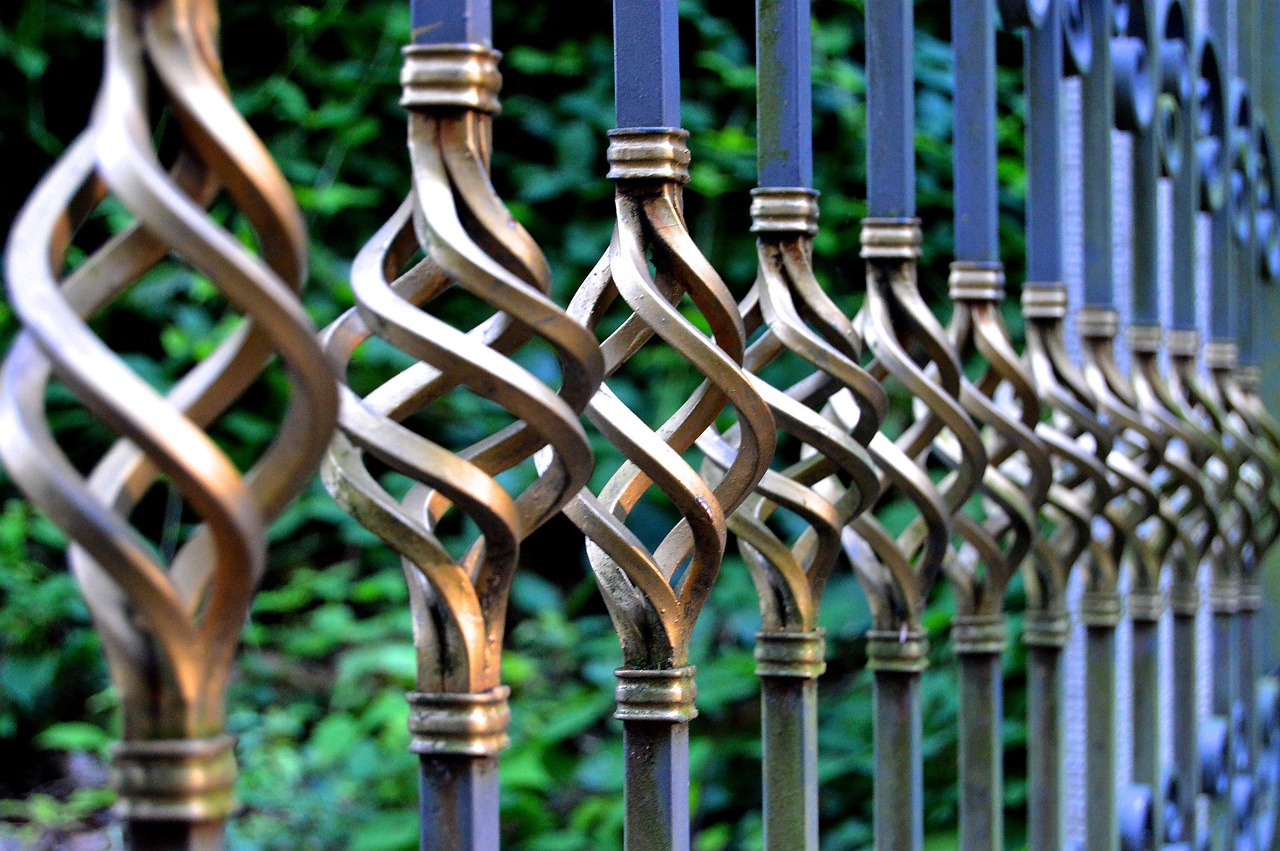
Pearland sits about twenty miles from Galveston Bay, and that short distance explains most of what happens to an iron gate here. The air carries moisture almost every day of the year, summer nights rarely dry out, and a heavy rain can leave a gate wet for hours after the storm has passed. Iron that stays damp oxidizes, and a gate is full of places where water can sit.
Where rust starts first
Rust almost never begins in the middle of a flat bar. It starts at the joints. Welds, the points where pickets pass through a rail, the bottom rail that catches splash from sprinklers, and the hinge knuckles that rub the paint away every time the gate swings are the usual suspects. Once the coating is broken at one of those spots, moisture gets underneath and the rust spreads sideways under paint that still looks fine from a distance.
The bottom few inches of a gate take the worst of it. Lawn irrigation, puddles on a driveway apron and grass clippings that hold water against the metal all keep that zone wet. A gate that clears the ground by only an inch or two will usually show bubbling paint along the lower rail long before the top shows anything.
Habits that slow it down
A few small routines make a real difference. Rinse the gate with fresh water a few times a year, especially after a windy stretch that pushes salt haze inland. Check the welds and hinge areas each spring and touch up any chip right away with a rust inhibiting primer and matching topcoat. Aim sprinkler heads away from the fence line. Keep mulch and soil from piling against the posts.
It also helps to look at how the gate drains. Hollow tube posts should have caps so rain does not collect inside them. A small weep hole at the bottom of a hollow rail lets trapped water out instead of letting it rust the tube from the inside, which is the kind of damage you do not see until a section feels soft.
When touch up is no longer enough
If rust has flaked deep enough to leave pitting, or a picket moves when you push it, paint alone will not solve it. At that point the section usually needs to be wire brushed or blasted back to clean metal, repaired, and recoated. Catching it early keeps that job small, and in a climate this humid, early is the whole game.